Evaluating AI Efficiency Metrics for 2026 Workloads
- Long-term market positioning depends on efficiency metrics detailed in financial filings and hardware telemetry.
- Enterprise infrastructure choices require balancing raw compute throughput against total cost of ownership (TCO) constraints.
- Financial and technical indicators guide 2026 capacity planning for hyper-scale AI deployments.
When evaluating the competitive landscape between AMD and Nvidia for 2026 deployment cycles, I focus strictly on unit economics and efficiency metrics from recent market analyses. Infrastructure leaders must look beyond raw teraflops to assess sustainable performance-per-watt and long-term ecosystem viability for next-generation large language model inference.
Hardware Efficiency and Architectural Scalability
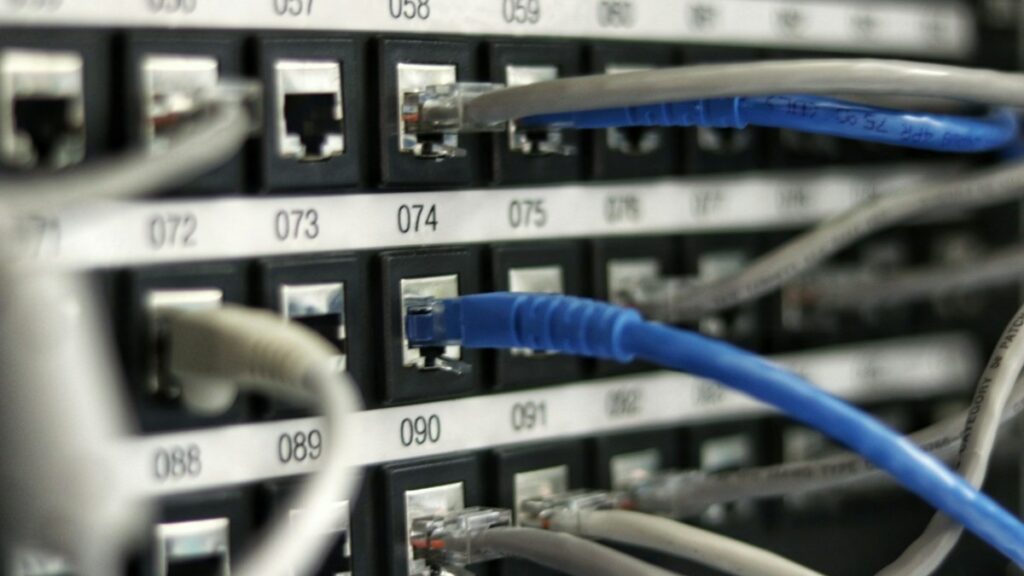
From an infrastructure standpoint, the evaluation of modern enterprise accelerators hinges on memory subsystem design and thermal envelope management. When tracing the network topology of high-density clusters, interconnect bottlenecks often dictate effective throughput more than peak theoretical compute capacity. According to vendor documentation and financial filings, evaluating long-term capital expenditure requires a rigorous look at how these silicon architectures handle sustained tensor operations without throttling under heavy multi-tenant workloads.
| Parameter | Nvidia Architecture | AMD Architecture |
|---|---|---|
| Primary Focus | Ecosystem Software & Interconnect | Raw Memory Capacity & Compute Density |
| Deployment Target | Enterprise Data Centers & Cloud Hyperscalers | High-Performance Computing & Cost-Sensitive AI |
| Key Metric Evaluated | Total Cost of Ownership & Software Maturity | Hardware Efficiency & Purchase Value |
FinOps and 2026 Capacity Planning
Assessing market positioning demands a clear view of enterprise FinOps strategies. Software portability, driver stability, and compiler optimization heavily influence day-two operational expenditures. While hardware acquisition costs remain a primary data point in quarterly reports, the engineering overhead of maintaining diverse driver stacks dictates long-term efficiency. Organizations balancing multi-vendor procurement must weigh these operational realities against projected efficiency gains heading into 2026.
In my review of recent market data, the choice between these hardware titans ultimately rests on an organization’s specific software stack and cooling infrastructure limitations. How is your infrastructure team factoring long-term silicon efficiency metrics into your 2026 cluster procurement roadmap?
Architecture platforms and hardware vetted by our editorial team for deploying scalable models and automated workflows:
- Compute & GPU Clusters: Benchmark scalable inference and fine-tuning on Runpod Cloud GPUs ($5 free setup credits).
- Workflow Automation & Agent Pipelines: Orchestrate autonomous workflows on Make.com Enterprise Automation (1 month Core plan free + 10,000 credits).
- Enterprise AI Hardware & Workstations: Procure certified developer gear and RTX/deep learning accelerators on Amazon Enterprise Tech Store.
